Leveraging Remote Monitoring to Enhance Farm Productivity and Efficiency
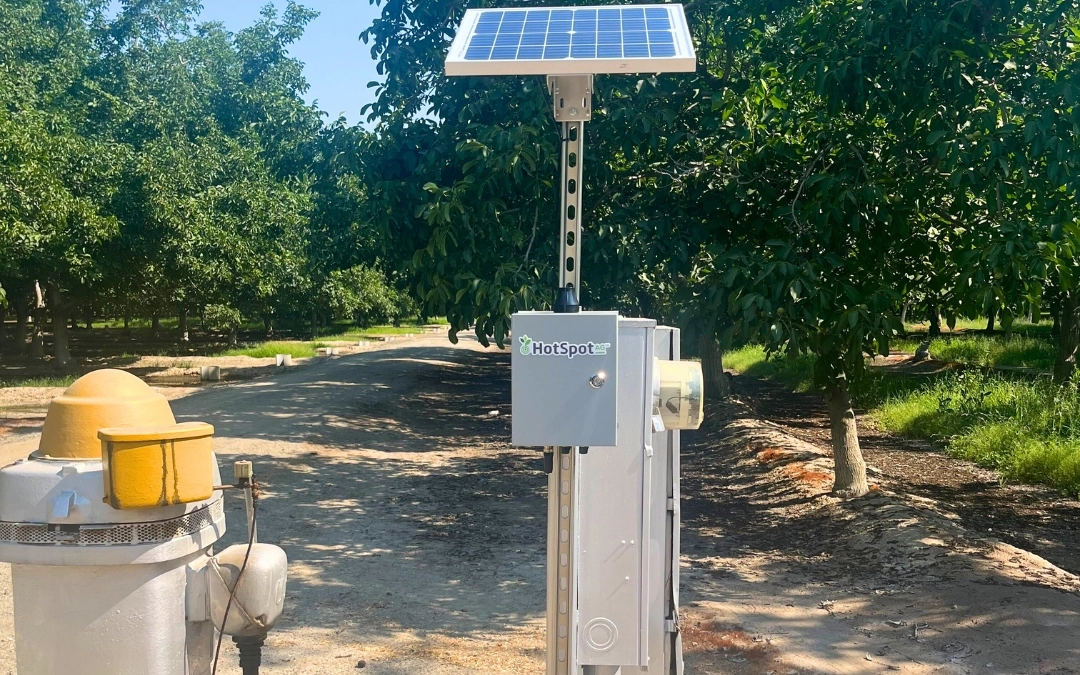
When it comes to your irrigation operations, efficiency and productivity are key to sustainable farming. With the ever evolving best practices in farming, one of the most impactful innovations of recent has been the inclusion of remote monitoring. These systems, which utilize sensors, insights, and cloud computing, provide farmers with real-time analytics into their operations. Below you will learn how leveraging remote monitoring can significantly enhance your farm’s productivity and efficiency.
Understanding Remote Monitoring Systems
As stated above, remote monitoring is made up of various components, such as sensors, data loggers, communication networks, and user interfaces. These systems are designed to collect and transmit data from different parts of the farm, such as groundwater level data, soil moisture levels, weather conditions, and equipment performance. By integrating remote monitoring into your operations, your team can gain a comprehensive view of their operations, allowing them to make quick, informative decisions.
Key Benefits of Remote Monitoring
- Real-Time Data Access: Remote monitoring provides your team with access to real-time data. This allows for swift responses to changing conditions, such as adjusting irrigation schedules as needed.
- Enhanced Resource Management: By monitoring resources such as water, fertilizers, and pesticides, farmers can ensure they are used efficiently. This not only reduces waste and costs but also minimizes the environmental impact of farming practices.
- Improved Crop Health and Yield: Continuous monitoring of crop conditions enables early detection of potential issues that might arise. Early intervention will ultimately enhance overall crop quality.
- Operational Efficiency: Remote monitoring systems can streamline various farm operations. For instance, automated irrigation systems can be controlled remotely based on the real time data that is provided by monitoring sensors.
Implementing Remote Monitoring on the Farm
To effectively implement remote monitoring, users need to consider the following steps:
- Identify Key Monitoring Areas: Determine which aspects of the farm operation would benefit most from remote monitoring.
- Integrate with Existing Systems: Ensure that the remote monitoring system can integrate seamlessly with existing farm management systems. This integration will enable the consolidation of data and provide a holistic view of farm operations.
- Training and Support: Provide training for farm staff to ensure they can effectively use and maintain the remote monitoring system. Additionally, establish a support system to address any technical issues that may arise.
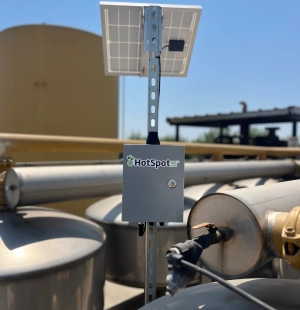
With HotSpot AG’s remote monitoring systems, you are provided with an all in one system that can deliver your historical and current data in a single dashboard. Additionally, clients and their team will have access to training before, during and after installation. This ensures that your farming operation is set up for success with HotSpot AG acting as your support system, ready to mitigate and tackle any challenges your operations may face.
Success Stories: Optimizing Water Use for SGMA Compliance!
Many growers are using remote monitoring for SGMA compliance. Click the tabs below to find out more. Note: Names of certain growers and organizations have been excluded to protect the confidentiality of their operations.
Challenges and Considerations
While the benefits of remote monitoring are clear, there are some challenges and considerations that might keep someone from utilizing remote monitoring:
- Initial Investment: The cost of setting up a remote monitoring system can appear to be significant. However, the long-term savings and productivity gains often justify the investment.
- Data Management: Handling large volumes of data can be overwhelming. Farmers might feel the need to have a robust data management system in place to store, analyze, and interpret the data.
- Connectivity Issues: Remote areas may face connectivity challenges, affecting the transmission of data.
- Maintenance and Updates: Regular maintenance and updates are crucial to ensure the system operates efficiently. This includes calibrating sensors, updating software, and troubleshooting any technical problems.
How HotSpot AG Addresses Challenges
- Data Management: HotSpot AG solutions offer users the ability to control and monitor, all within a single dashboard without the need for multiple logins. Data can be easily exported via CSV file for proper record keeping.
- Connectivity Issues: Even when faced with external challenges, HotSpot AG is committed to ensuring that your irrigation process remains protected and efficient. In the event of interruption, previously recorded data remains preserved and can be easily accessed as data is collected and stored in the cloud via cellular connection.
- Maintenance and Updates: HotSpot AG’s installation requires near zero alteration to existing equipment. The technology behind our solutions are specifically designed to decrease upkeep of equipment, making the frequent need for servicing a thing of the past.
Conclusion
Leveraging remote monitoring systems is a powerful strategy for enhancing farm productivity and efficiency. By providing real-time data, optimizing resource use, and improving crop health, these systems help farmers adapt to the challenges of regulations and ever changing best practices. As technology advances, the potential for remote monitoring to transform farming operations and promote sustainability will only grow. Investing in remote monitoring is not just a step towards greater efficiency but also a commitment to the future of farming.