Dissecting The Standard HotSpot AG Pump Alarms
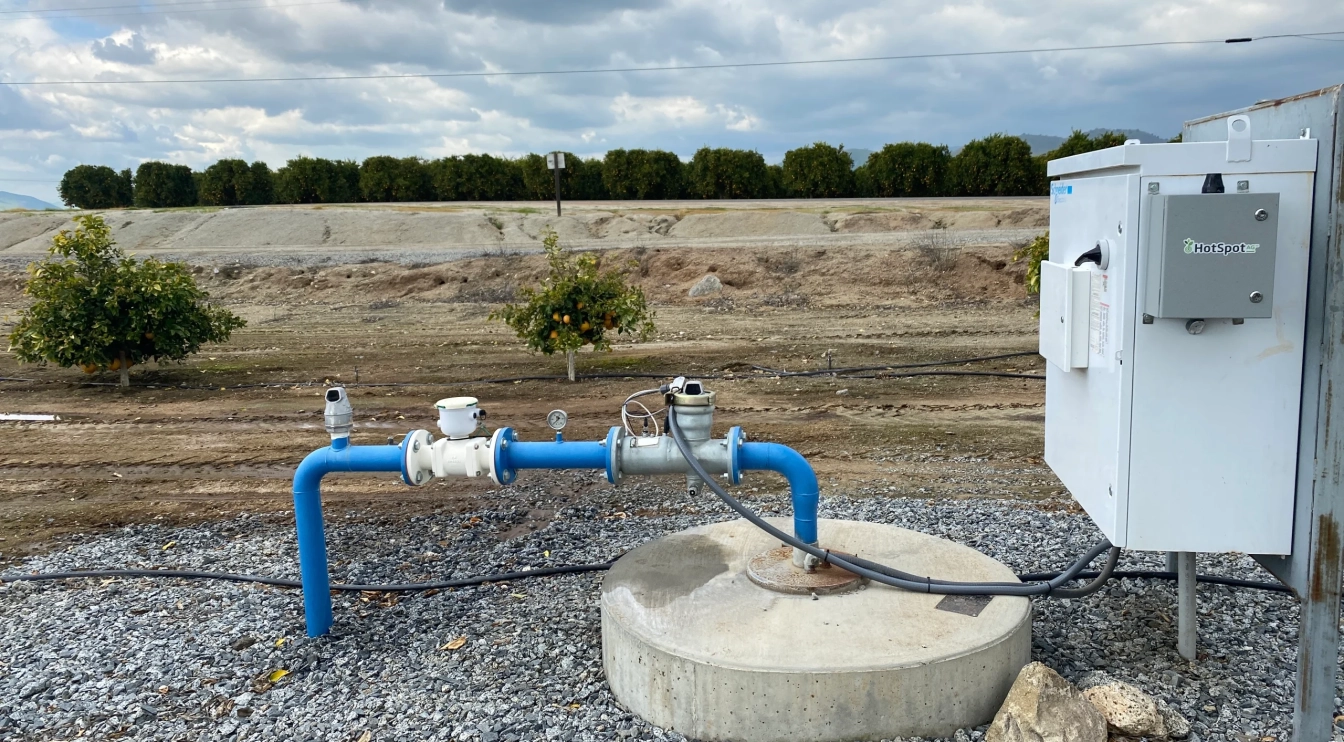
Introduction: Identifying the Risks
Operations are severely impacted when lack of alarms or improper systems are in place. This presents numerous challenges for the farmer in the form of electrical issues and risk of costly damage to equipment that leads to repairs and downtime. Additionally, disruption can affect irrigation schedules, resulting in water stress and reduced crop yields. Without preventative measures in place, tracking energy consumption and data history becomes increasingly difficult to monitor and can lead to workplace inefficiency and increased risk of safety hazards. Let’s take a closer look at the potential consequences of operating without an essential system.
Exploring HotSpot AG’s Standard Alarms
HotSpot AG’s alarm system provides comprehensive protection and efficiency for growers by alerting them to equipment, electrical, and connectivity issues. Early detection of problems ensures quick resolution, reducing downtime and maintaining smooth irrigation operations. Preventative maintenance, facilitated by these alarms, minimizes the need for costly repairs and extends equipment lifespan. The benefits, shown below, of HotSpot AG’s Standard Alarms aims to safeguard growers and mitigate issues that may arise.
Benefits of HotSpot AG’s Standard Alarms
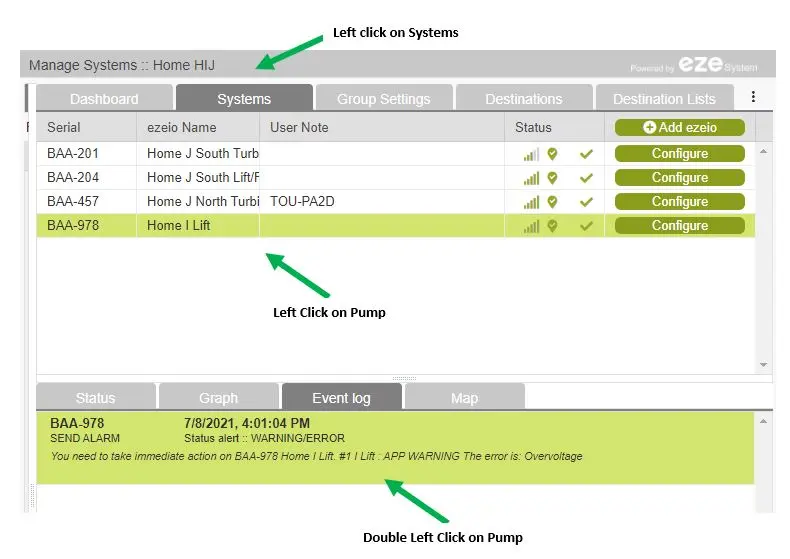
Real-time notifications keep farmers informed, with alerts delivered via email or SMS to specific destinations using existing or custom message templates. All data is available for viewing on the dashboards and within the system tab. The history of alarms is available within the Event Log, aiding in tracking and identifying root causes of electrical issues without overwhelming notifications. For critical situations, the system can automatically trigger preventive measures, such as shutting down equipment or adjusting operational parameters to prevent further damage. Each alarm system has an independent cellular connection to the cloud, ensuring functionality and data logging during outages, guaranteeing reliability. Below is a breakdown of the HotSpot AG Pump Station Standard Alarms and how to look up historical alarms within the software.
Overvoltage Alarms – When Voltage is Above 504 Volts
- Function: This alarm triggers when the voltage on any leg exceeds 504 volts as a result of a potential power surge.
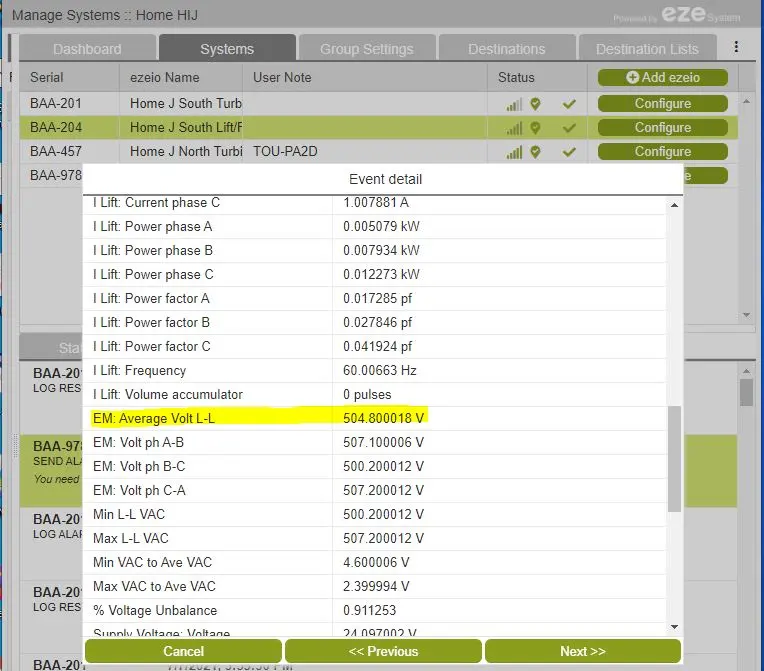
- Benefit: Overvoltage can damage sensitive components within irrigation pumps’ electrical equipment. Unfortunately, there is not much the grower can do to prevent damage from overvoltage, but the data can be used in claims for damage caused by utility voltage spikes. A sign this has happened is if the VFD displays a High Voltage/Overvoltage fault, or for across the line pumps, all three fuses are blown at once. Below are screenshots and instructions on how to view the Event Logs and find the data when the alarm triggered.
Undervoltage Alarms – When Voltage is Below 456 Volts
- Function: This alarm activates when the voltage drops below 456 volts as a possible result of grid or connectivity issues
- Benefit: Timely alerts allow the user to address the issue promptly, ensuring optimal performance and longevity of their equipment.
- Examples on how to avoid undervoltage damage:
- Avoid Time-of-Use Periods (TOU) – Most low voltage conditions happen during TOU periods, when there is high demand on the grid. Avoid the TOU period to reduce the wear and tear on the motor and high cost demand charges.
- Automatic Equipment Shutdown – during extreme events, utility voltage issues can cause damage on electrical equipment. Pumps can be automatically shut down based upon the growers specific conditions.
- Reduce the electrical load
- If it’s not in the cards to completely avoid TOU periods, the electrical load can still be reduced by irrigating smaller acreage. This can be done through the HotSpot AG irrigation scheduling tool or by limiting the max frequency of a VFD.
- Alternate the on/off status of a reservoir fill pump and a reservoir booster pump.
Voltage Imbalance – When the Min and Max Voltage Per Leg Varies by 2.5%
- Function: This alarm detects when the voltage difference between the phases exceeds 2.5%.
- Benefit: Voltage imbalance can result in uneven power distribution (current imbalance), overheating, and reduced efficiency of three-phase motors. By addressing this imbalance, motor health is maintained, reducing energy consumption and avoiding downtime in production.
Current Imbalance – When the Min and Max Amperage Per Leg Varies by 2.5%
- Function: This alarm triggers when there is a 2.5% or greater difference in amperage between the phases.
- Benefit: Amperage imbalance, like voltage imbalance, can cause excessive heating and stress on electrical components.
VFD Alarms -Triggers When Faults Occur
- Function: This alarm triggers when a pump faults, often shutting the pump down.
- Benefit: The fault alarms from VFDs are helpful for diagnosing the problem remotely. It is helpful to know that the pump shut down, and the fault can be communicated directly to the pump or electrical company for quick service. Example Faults from the past month
- Motor Overheating – VFDs typically come with A/C units, and an air filter blockage can cause the VFD to overheat
- Overvoltage – varies from VFD manufacturer, but most overvoltage faults occur when voltage is greater than 530 volts
- Undervoltage – varies between VFD manufacturers, but most will shut down when voltage drops below 430 volts
- PSI Feedback Loss – this occurs when the pressure transducer tied to the VFD fails.
To conclude, growers without efficient alarm systems are at higher risk of experiencing failures, increased repair costs, and decreased work productivity. However, this may be avoided with proactive monitoring of alarm systems that are both reliable and efficient in addressing issues that farmers face in real time. With HotSpot AG’s alarm systems, you can rest assured that your farm is protected.