Designing a Vineyard for the Future: Key Considerations for Long-Term Success
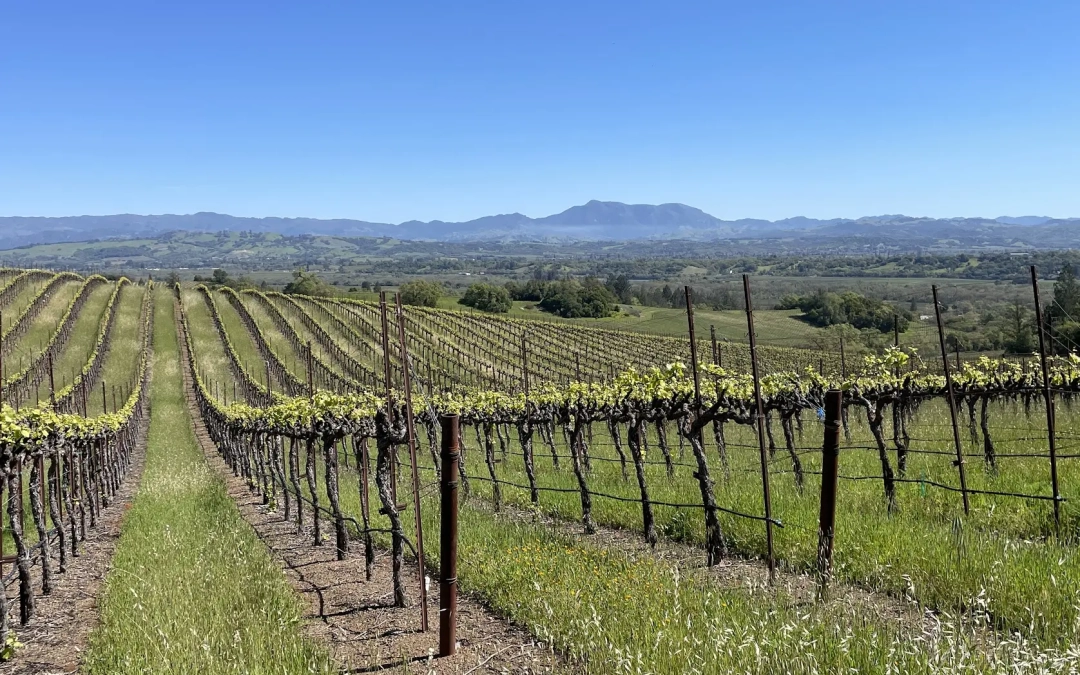
The 2025 SVB State of the U.S. Wine Industry Report has made one thing clear—change is coming. With an estimated 50,000 acres of vineyards expected to be pulled this year, and even more thereafter, there is an opportunity for growers to replant with a forward-thinking approach. As sustainability becomes a priority and farming input costs continue to rise, leveraging technology is no longer a luxury—it’s a necessity for maintaining long-term success. Here are key factors to consider when designing a vineyard that is not only productive but also built to withstand the challenges of the future.
1) Work with a Professional Irrigation Designer or Engineer
Irrigation is the foundation of vineyard productivity. A well-designed system ensures that vines receive the right amount of water at the right time while maximizing efficiency. Engaging a professional irrigation designer or engineer with expertise in hydrological planning can help you optimize water use, improve distribution uniformity, and plan for future expansion. With increasing regulatory pressures, particularly from the Sustainable Groundwater Management Act (SGMA), designing an irrigation system that aligns with compliance requirements is crucial. Additionally, carefully consider your water sources. Securing two water sources whenever possible is highly advisable, as any water pulled from the aquifer must eventually be replaced to align with Groundwater Sustainability Plans (GSPs). Diversifying your water supply helps mitigate risk and ensures a more resilient irrigation system in the face of drought or regulatory restrictions.
2) Choosing the Right Technology Providers
Not all technology providers are created equal. When selecting automation and monitoring solutions for your vineyard, look for a partner who understands agriculture firsthand. Experience in the farming industry means they will be better equipped to provide solutions that address real-world challenges, from water efficiency to system reliability. A provider with deep industry knowledge will help ensure that the technology integrates seamlessly into your operation, rather than becoming a burden.
3) Finding Solutions That Meet Your Needs
Technology should enhance your vineyard’s efficiency, not complicate it. Ask critical questions about any system you’re considering:
- Is it SGMA compliant?
- How accurate is the flow meter in measuring water usage?
- Does it provide real-time data and analytics to support decision-making?
- Is the system scalable to accommodate future vineyard expansions or modifications?
4) Planning for Vineyard Operations and Equipment
Vineyards are dynamic environments, changing from season to season throughout the year. When integrating automation, consider how it will interact with vineyard operations:
- Will the harvesting equipment interfere with sensor placements?
- Can overhead pruning equipment operate without damaging installed technology?
- If installing a solar panel, weather station, or other overhead equipment can it be easily removed or adjusted as needed?
Careful planning ensures that your investment in technology won’t create obstacles in day-to-day operations.
5) Preparing for the Unexpected: System Reliability and Support
Technology is designed to improve efficiency, but even the best systems will face challenges in the field. Before committing to a solution, ask:
- Can I troubleshoot and fix the system myself if an issue arises?
- Will the irrigation system still function manually if the technology fails?
- Who do I call for support, and what is the response time for getting an issue resolved?
The last thing any grower wants is an expensive system that fails in the middle of the season and ends up abandoned in their behind-the-barn “boneyard”, scrapped for parts. Investing in technology is only valuable if it remains reliable and supported for the long run.
Future-Proofing Your Vineyard
With vineyards being replanted at a rapid pace, growers have the unique opportunity to rethink and refine their approach to vineyard design. Planning with efficiency, sustainability, and automation in mind will ensure that your operation is positioned for long-term success. By working with experienced professionals, choosing the right technology partners, and considering the practicalities of daily vineyard management, growers can build resilient, future-ready vineyards that meet the evolving demands of the wine industry.